Conversion That Delivers
Chasing lead quality in a company built for lead volume
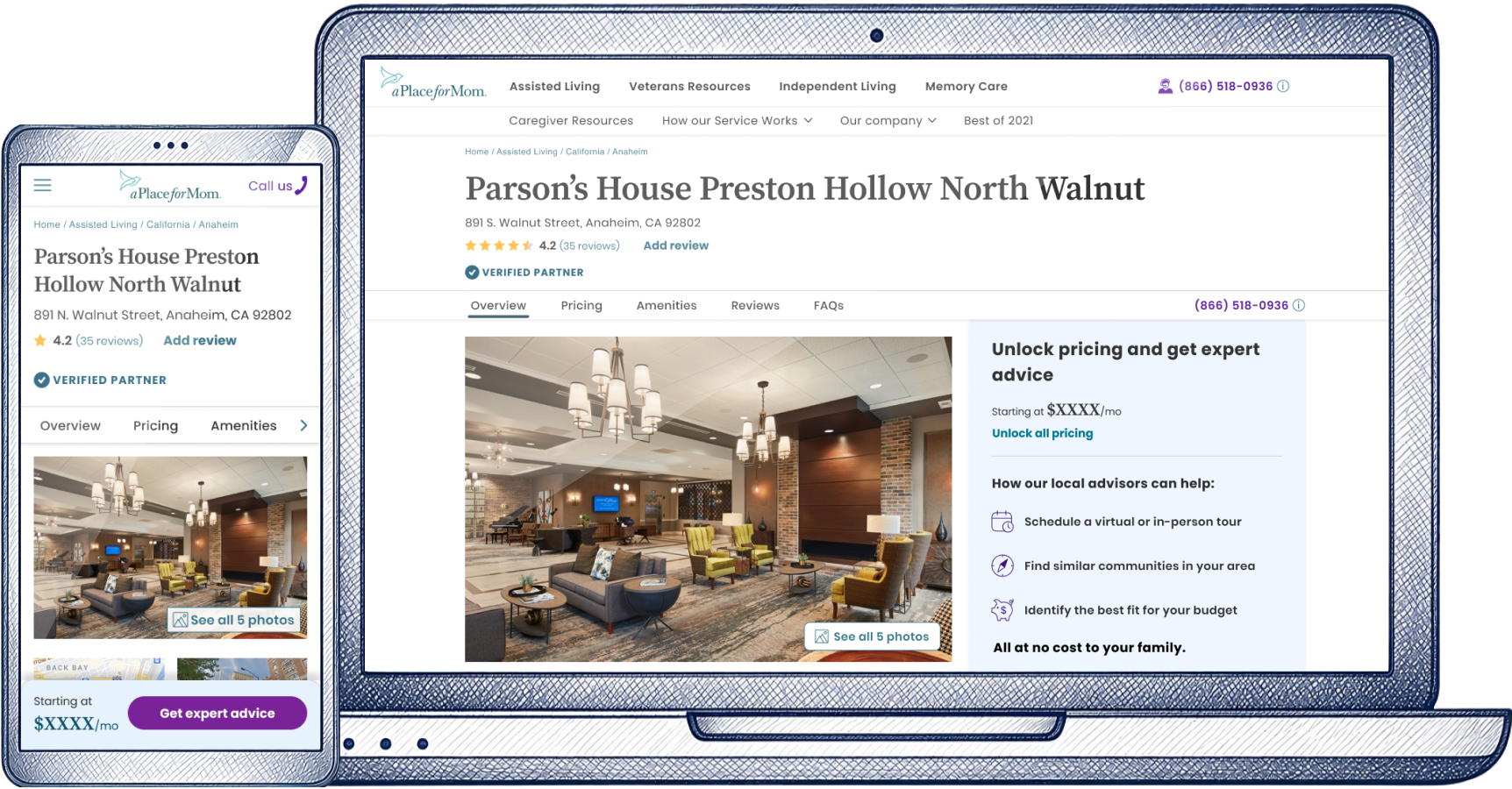
A Place for Mom had built its brand on TV and an 800 number, people saw Joan Lunden and called. But its users were moving online, adult children researching care for aging parents, and a new investment group wanted the website to drive more leads.
The site did drive leads. The call center was just drowning in the wrong ones, people who couldn't be served or weren't ready. Leadership read it as a volume problem and wanted more. The data said the opposite: the problem wasn't how many leads, it was how few were any good. And the site was built that way on purpose, optimized to show investors lead growth, not to produce leads the business could actually use.
That bet, that fewer, higher-quality leads would beat high volume, ran against marketing, against nervous leadership, and against a site engineered to capture everyone. Proving it is what this project was about.
Leadership saw a volume problem. The data showed something worse: the site was working against itself. It captured leads aggressively, gates, fake search bars, forms blocking information, and users bounced before reaching the one place quality leads actually came from.

Critical information was buried. Pricing, reviews, and location, the things users decided on, sat below the fold.

Lots of leads, few any good. The site captured high volume, but most were people who couldn't be served or weren't ready to move.

The call center paid for it. Reps spent their days sorting low-quality inquiries instead of helping people ready to act.
FullStory made the mechanism obvious. Users hit a lead gate, backed out, tried another path, hit another gate, and left. The ones who did reach community detail pages, past all the walls, converted at high quality. We had built the funnel to block its own best outcome.

High incoming traffic

Home Page Trap
Fake search bar that triggers lead form

High bounce rate
High unqualified lead rate
Few users find their local destination page
Destination Page Trap
Above-fold wizard obscures community listings below
High bounce rate
High unqualified lead rate
Escape hatch: Users scroll past the wizard

Community Detail Page Conversion
Natural conversion paths (pricing/availability)

Leads 85% more likely to qualify
High user intent and motivation
The reason was structural, not accidental. The site was optimized to show investors lead growth, not to produce leads the business could use. Marketing outranked product, and favored capture over clarity, gates over trust.
The bet was simple to state and hard to sell:
Give people the information they were hunting, pricing, reviews, location, and the ones who submitted a lead would be the ones genuinely close to a decision. Fewer window-shoppers, more real prospects. In practice that meant reducing friction, surfacing key information early, and making lead capture contextual instead of a trap.
The problem was the short-term math. This approach would lower overall lead volume before it raised quality, and leadership needed volume numbers for investors. Marketing pushed back hard, removing the gates, they argued, would tank lead generation.
So the burden was on me. I had to prove that fewer, better-qualified leads would outperform a flood of window-shoppers, and the community detail page was where I'd prove it. It exemplified every problem on the site:
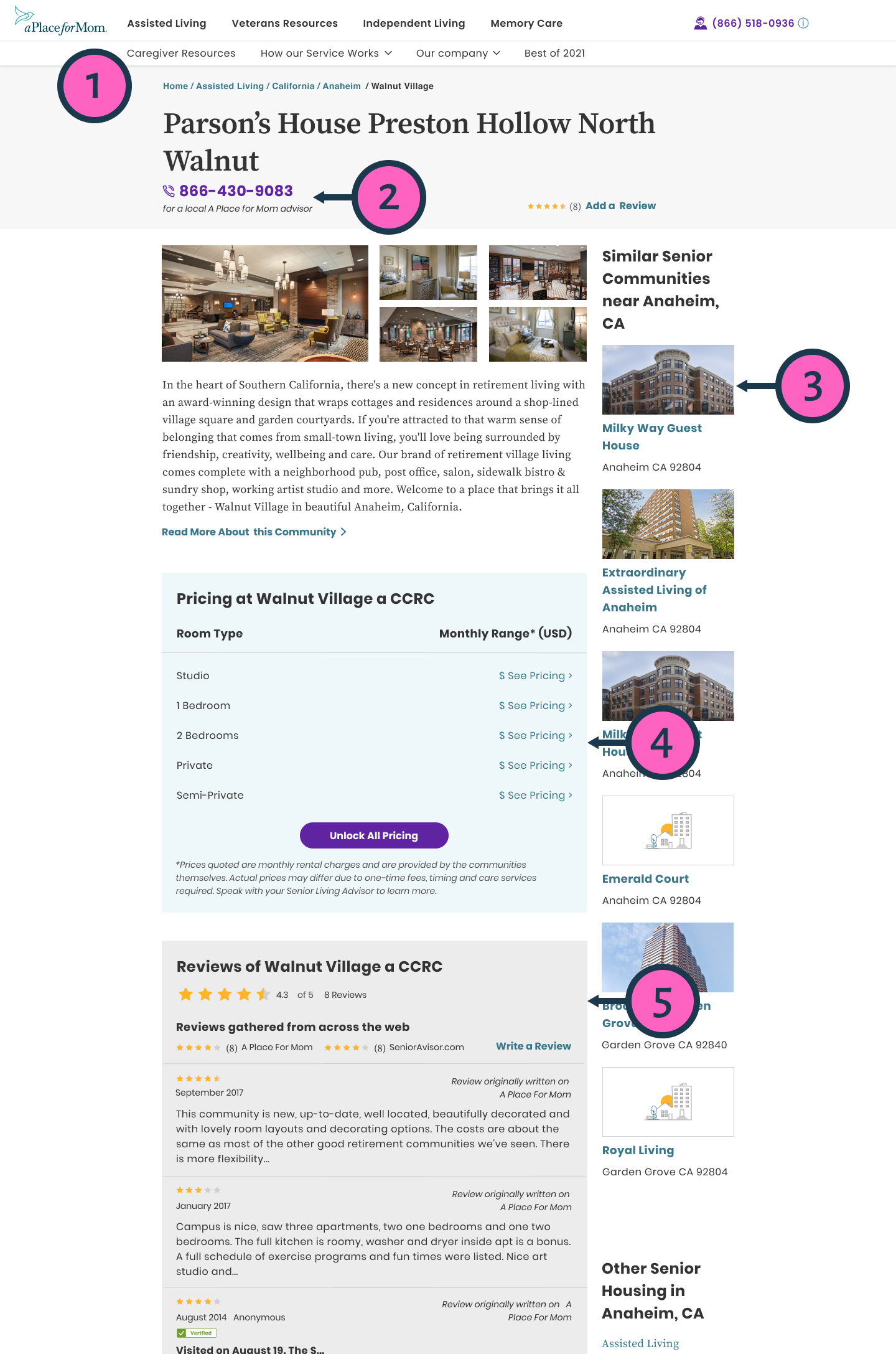
1. No Page Navigation
A long scroll with no signal of what was below.
2. Missed Lead Capture
The only CTA above the fold was a phone number, so we couldn't capture data or control the conversation.
3. Competing CTAs
Similar communities featured up top, pulling users away before they engaged.
4. Pricing Buried
The primary conversion driver, hidden below the fold under long descriptions.
5. Reviews Not Actionable
Present but with no filters and no aggregated ratings from our own survey data.
Removing gates was a hard sell, so I built the argument three ways before asking anyone to remove a single one.

FullStory sessions showed the pattern plainly: users hit a gate, backed out, tried another path, hit another gate, bounced. We had the traffic. We were blocking our own funnel.

Zillow, Airbnb, and direct competitors all told the same story: transparency builds trust. Sites that surfaced pricing, reviews, and location upfront generated better-qualified leads.

Instead of arguing for a full redesign, I A/B tested single changes. Reduce friction on a variant, and scroll depth and engagement rose. Each win became evidence for the next, bigger ask.
The trick was speaking the language leadership could act on, framing every change as a business case, not a design preference. But evidence only went so far. The project outlasted several PMs and a change in my own management, each arriving with aggressive targets and the same instinct: more forms, more gates. Marketing's pull with leadership meant some calls came down to what felt safe for investor numbers, not what the data showed.
I didn't win all of them. I'd pushed for something bigger than a lead engine: a true marketplace where families could search, compare, and choose a community, with APFM as the trusted broker guiding the transition. What shipped kept the capture mechanics leadership wouldn't give up.
What I Pushed For
A true marketplace where families could search, compare, and choose a community

What Shipped
A constrained search with lead traps still standing between users and the listings
What I Pushed For
Fully transparent pricing, shown openly to every visitor
What Shipped
Pricing used as a lever, unlock it by handing over contact info
What I Pushed For
User accounts to favorite communities and manage the journey
What Shipped
A Google sign-in prompt that was really just another lead trap
These weren't the calls I'd have made. But part of operating in a politically charged product org is knowing the difference between the hills you take and the ones you hold, protecting the wins that mattered most while the rest stayed contested.
Three decisions carried the redesign, each one a place where I moved information ahead of capture.
The homepage drove the most leads and the worst ones. The hero search bar looked like search but fired a lead form, users felt tricked and bounced.
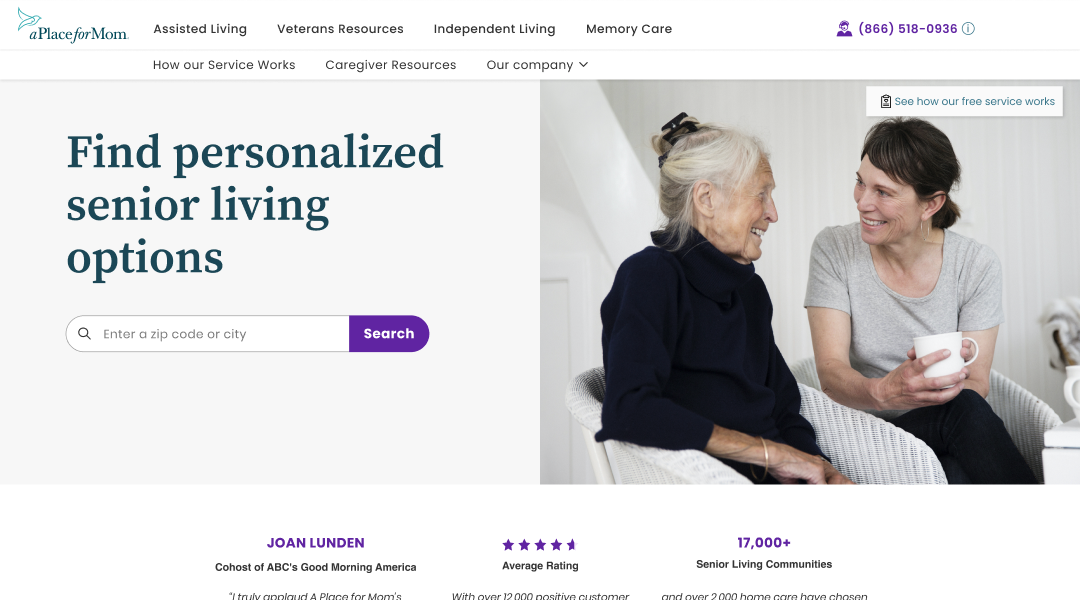
Appeared to search, actually triggered a lead form
I tested three directions: replace it with an honest lead form, make it truly search, or route users to a destination page.
Option 1

Replace with more obvious lead form
Option 2

Actually perform a search and show communities
Option 3

Send users to closest destination page
True search (Option 2) produced the best-qualified leads, but it cut volume more than leadership would accept. We landed on routing to destination pages, a compromise that held enough volume to keep leadership on board while letting serious users scroll past the wizard to the community listings below.
Research was clear: pricing, reviews, and location were users' top three decision factors, in that order. The old page buried all three under a photo gallery and "similar communities" optimized for SEO, not people.
We rebuilt the hierarchy around what users actually needed.
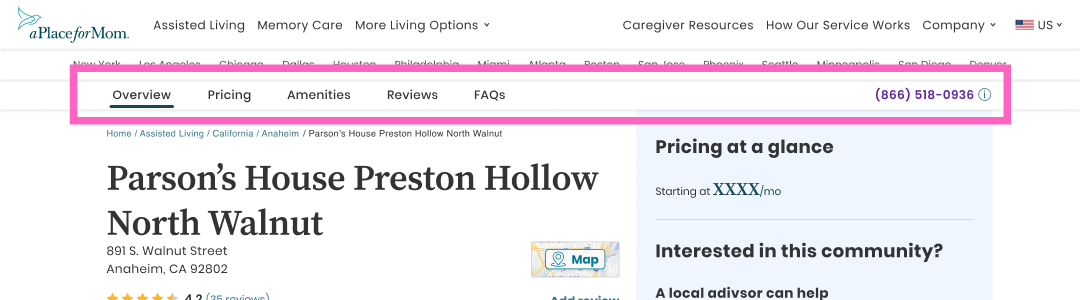
Jump navigation lets users scan what's available and go straight to what matters
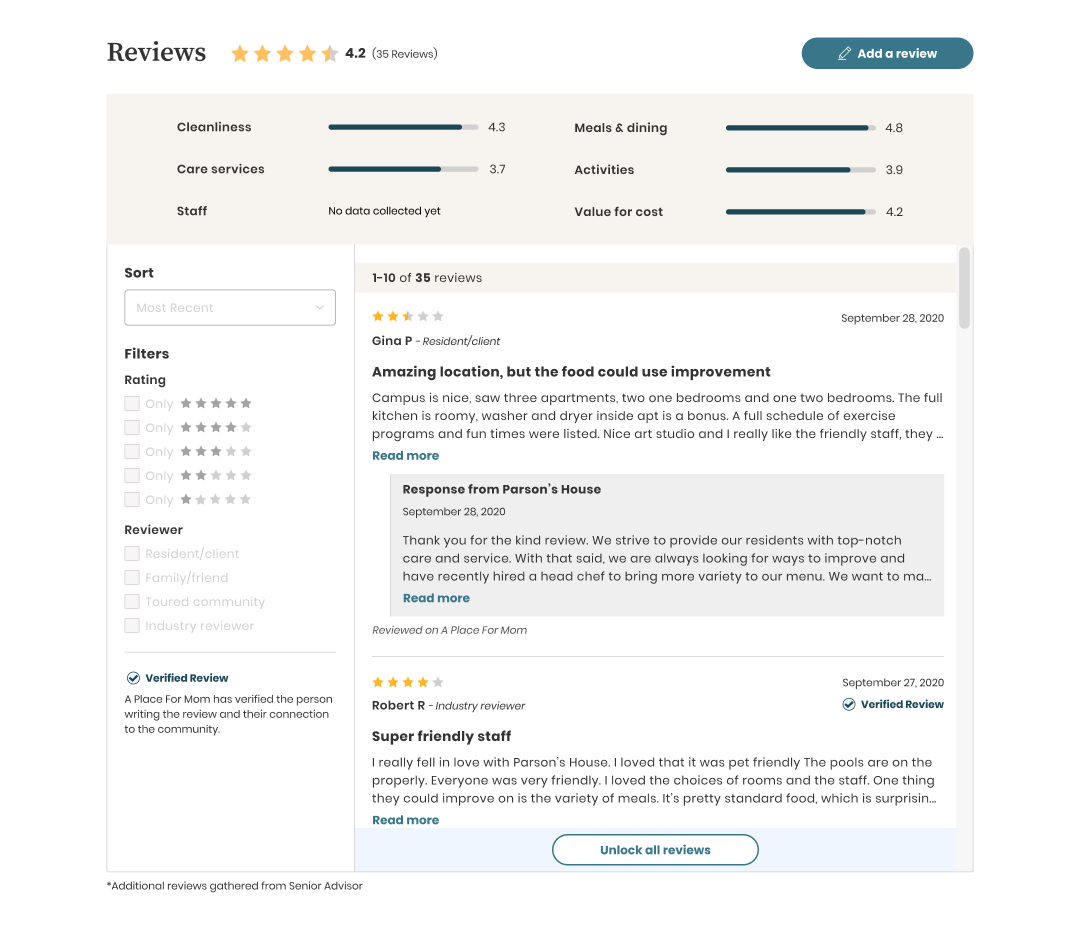
Filtering plus aggregated ratings from our own survey data, making a top-three factor actionable
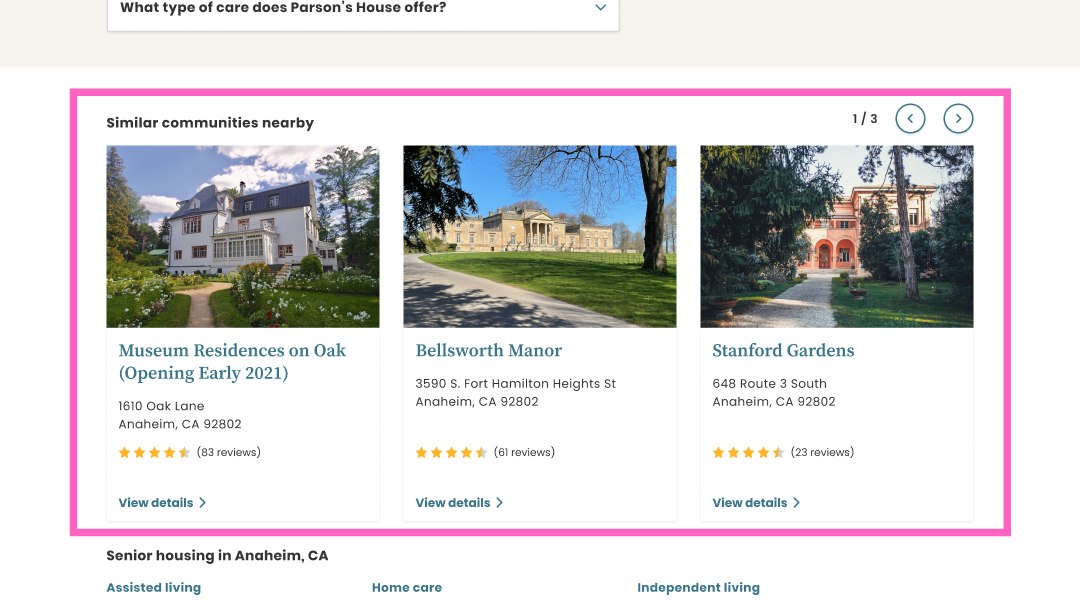
Content reordered by user priority, "similar communities" moved to the end, where alternatives help instead of distract
Scroll depth rose to 65-75%, users were engaging with the page instead of bouncing off it.
With users now reaching deeper into the page, the lead capture had to feel contextual, not like another gate. We couldn't show pricing outright, contract constraints, but we could make the unlock path obvious and low-friction.
We tested static "unlock pricing" buttons against a persistent sticky CTA. The sticky version won decisively, and became roughly 85% of community detail page leads.

The sticky CTA in action, persistent, contextual, and the dominant conversion path
The bet paid off. Letting users self-educate before capturing them produced fewer, better leads, and the numbers held.
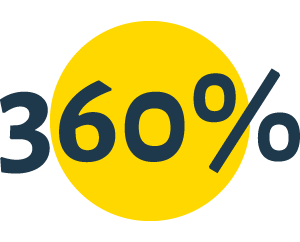
360% increase in leads from community detail pages
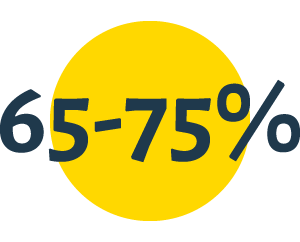
65-75% scroll depth - users engaging deeply with content, not bouncing

Improved lead quality - better ratio of qualified to unqualified inquiries

Improved page performance - pages became more content-rich and user-focused
The core argument proved out: letting users move naturally through the funnel generated better outcomes than trying to capture everyone up front. Better-qualified leads served everyone, families got real help, the call center spent its time on real prospects, and the business got growth it could sustain.
This project taught me that organizational dynamics matter as much as design decisions. I could show competitive analysis and user flows all day, but if marketing had leadership's ear, the best-supported design didn't always win. Learning to build alliances, frame changes in business terms, and pick my battles was as much of the job as the design itself.
If I started over, I'd push harder and earlier to align stakeholders around lead quality over volume, and I'd sequence the work differently, starting with the community detail page, where I had the most freedom, to build credibility before taking on the politically charged homepage.
But I'm proud of what shipped. Despite the resistance, we proved that user-centered design and business goals aren't actually in tension when you understand both deeply enough, and that a designer's job at that level is as much about navigating the room as drawing the screens.